Studio Visit: Serban Ionescu
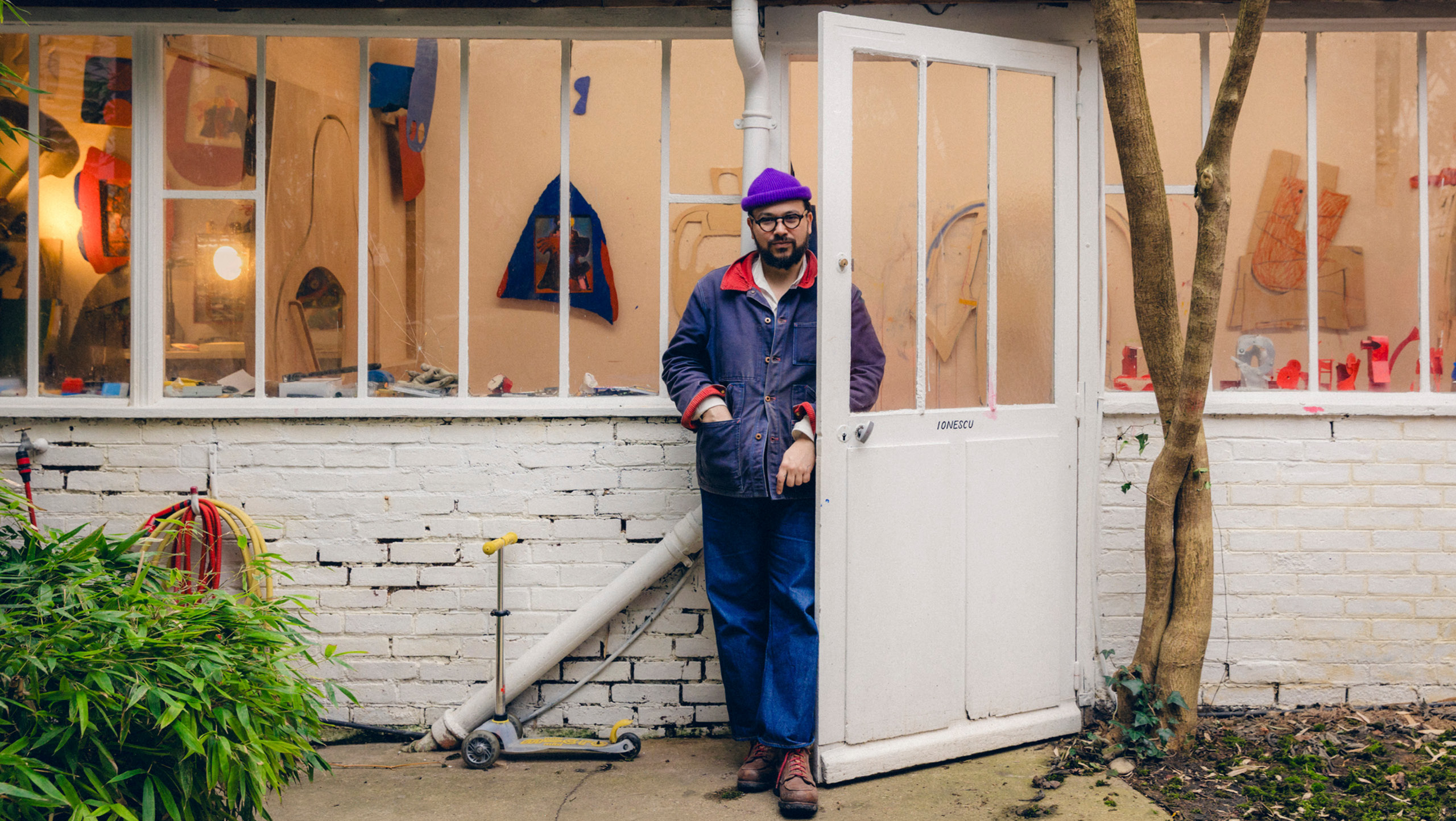
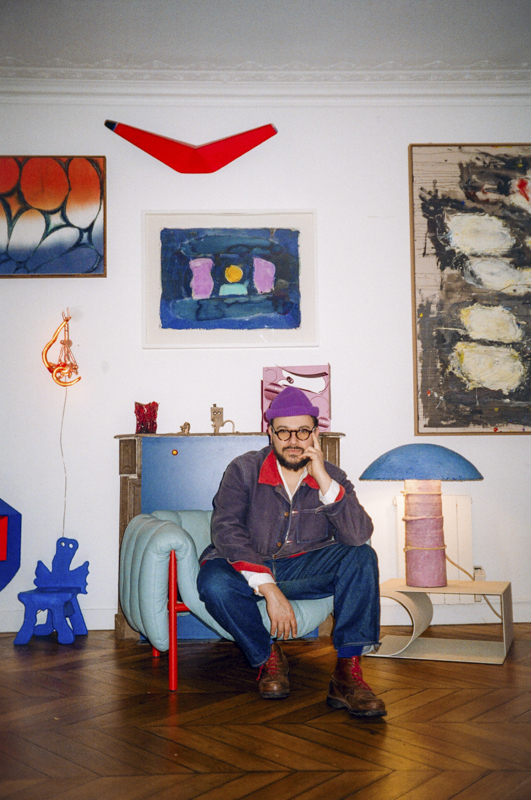
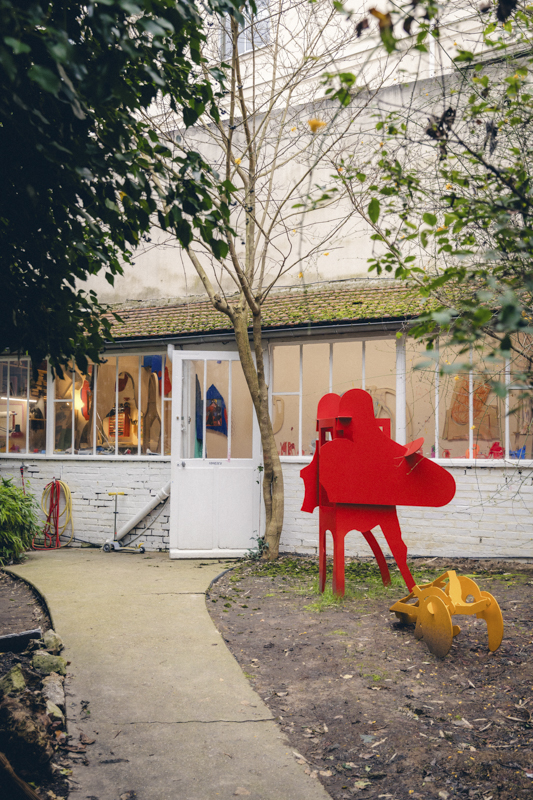
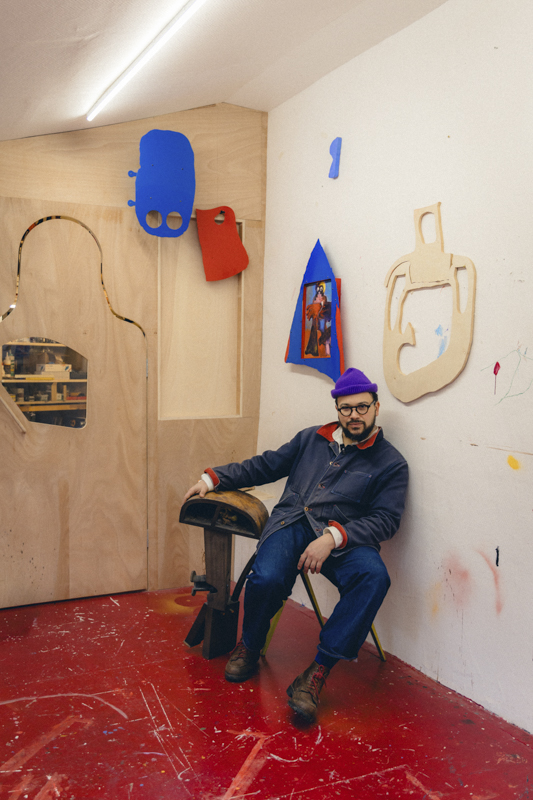
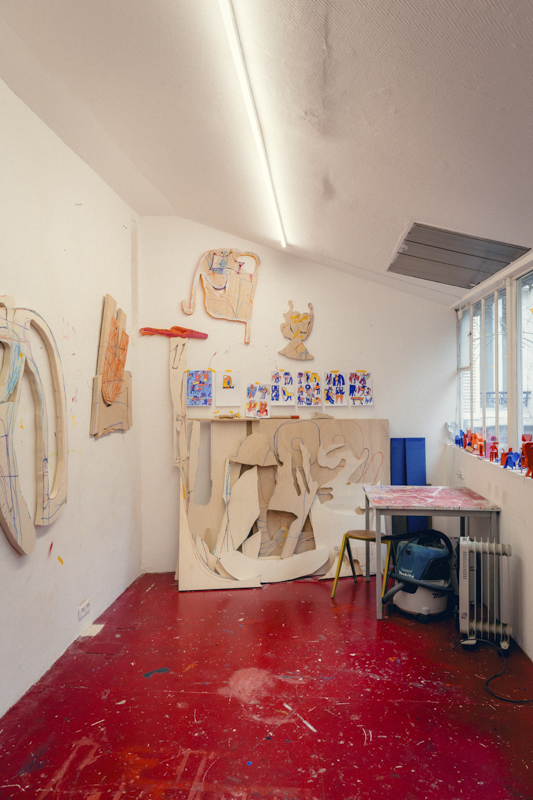
We enter Serban Ionescu’s studio in Paris, an oasis within the city where the artist combines his workplace and home. Both spaces are filled with objects, models, and materials that hint at his constant curiosity and inventive approach. Drawing, sculpture, and painting live side by side, creating a sense of perpetual movement: everything seems part of an ongoing experimentation.
Alzueta Gallery (AG): How would you describe your routine in the studio?
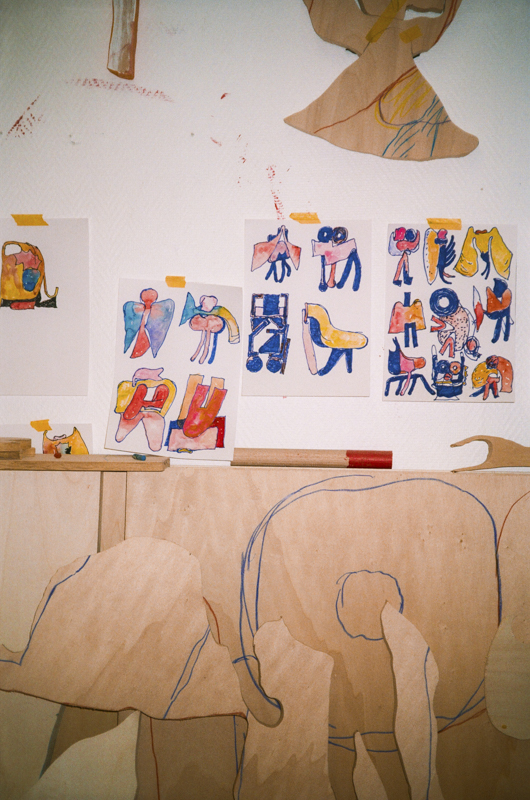
Serbian Ionesco (SI): I don’t really have a fixed routine. Each day is different from the previous one, but there is one thing I do every day, which is drawing. Drawing is really part of my everyday life, something I always return to. Sometimes a drawing might serve to plan a sculpture, but other times it’s simply about the act itself, the pleasure of drawing. Often I don’t know exactly what I’m doing, and that’s important because it allows for a kind of freedom.
AG: There’s a strong sense of intuition in your work, perhaps coming from this importance of drawing. Does that carry into your sculptures and other work?
SI: Yes, very much. The drawings often extend into models. When I make these, I work instinctively, trying things out and responding to what happens. Some things work, others don’t, and that’s part of the process. Over time, these forms start to build a kind of vocabulary, elements I can return to and combine in different ways.
AG: We see models all around your studio. Where does that come from?
SI: I started very early. When I was 16, I was working in an architecture office in Union Square in New York, building models. I think that experience stayed with me. I’ve always enjoyed the physicality of it, the directness of making something with your hands.
AG: Your background in architecture seems closely connected to this process. How has it influenced your approach?
SI: It’s been very important. My interest in space really began during my training as an architect. I’ve worked with volume and spatial relationships for a long time, and that way of thinking continues in my practice today.
AG: How does this all translate into your paintings and sculptures?
IF: I start preparing the background and then work from left to right so I can rest my hand. I first apply a layer, for example with an 8B, then blend it so that the white dots of the paper disappear and I get a mid tone. From there, I build up darkness with harder pencils. Once I have reached that mid tone, I start playing, especially in the hair, using the eraser to sweep and lift highlights where the light hits.
AG: How does this all translate into your paintings and sculptures?
SI: The paintings are about the act of painting, but also about exploring space. I often make shaped paintings, where I’m interested in how they interact with the wall and exist in space. The sculptures, like the paintings, are extensions of gestures first explored in drawing and models.
A lot of this comes from model-making and cutting, working with wood, paper, or metal, arranging elements and seeing how they come together. It’s a process of testing: whether something can create volume, movement, or a certain feeling. It’s really about playing with these possibilities.
AG: And in painting specifically?
SI: It’s quite similar. The paintings are also constructed in parts. I don’t see them as a single, continuous surface, but as something built up through fragments. What interests me is how those fragments come together, how they hold.
AG: Your trajectory, from Romania to New York and now Paris, feels relevant to understanding your work.
SI: Yes, I think it is. Moving between these places has made it difficult, maybe even impossible, to settle into one way of creating. I prefer to keep things open and to keep experimenting. My practice in the studio reflects that. It’s always shifting and always looking to stay adventurous.